Warm up properly
Cold numbers are not your numbers. The session starts once your speed has settled.
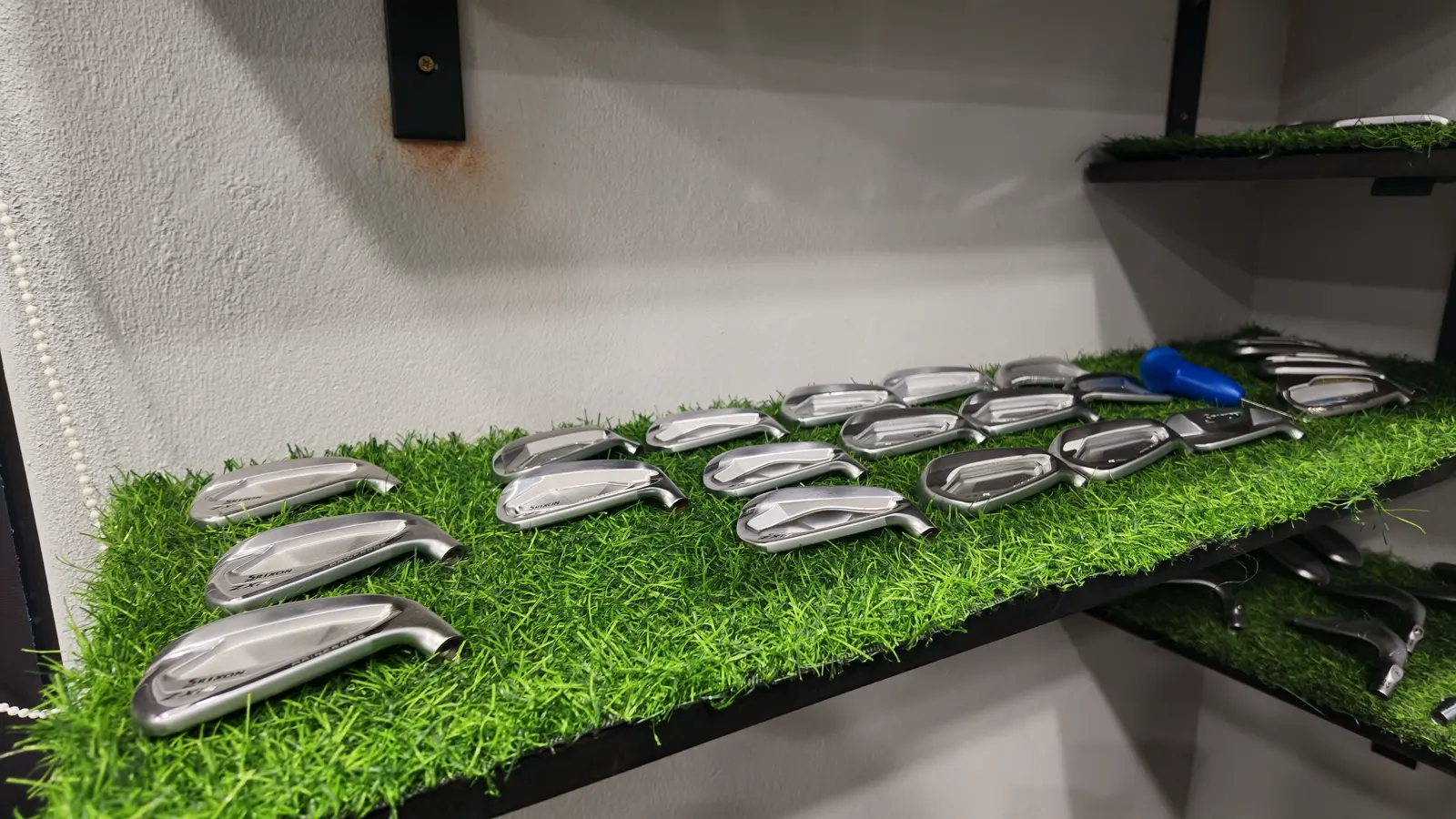
Ninety minutes, every club in the bag, on TrackMan. Not the number from the one you caught flush on a summer evening five years ago — the number you can plan a shot around.
Find the gaps. We measure every club you carry, so you know how far each one actually goes rather than how far you hope it does.
Ninety minutes, full bag, on TrackMan 4.
Cold numbers are not your numbers. The session starts once your speed has settled.
One good strike is an anecdote. We take enough shots per club that the average means something and the outliers are visible as outliers.
Carry is what clears the bunker. Total distance depends on the ground, which is not the same in July as it is in January, or at the coast as it is on the Highveld.
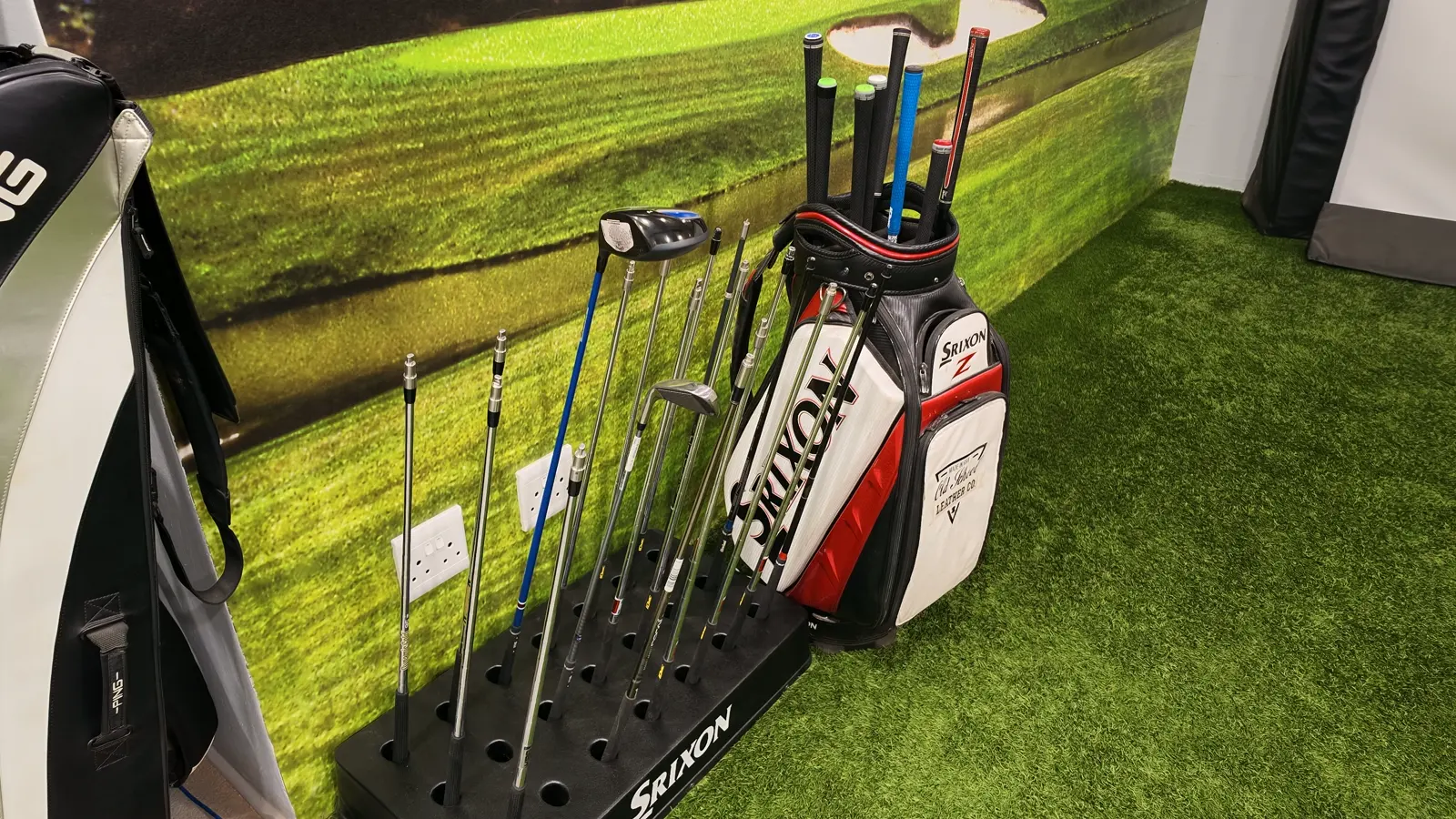
The set is laid out end to end so the overlaps and the holes are obvious at a glance rather than buried in a spreadsheet.
Some gaps are a bending job on the bench. Some need a different club. Some need nothing but knowing the number.
A bag has roughly fourteen slots to cover the distance between your driver and your putter. When a 4-iron and a hybrid both carry the same, you have not gained a safety net — you have lost a distance entirely, and it usually shows up as a shot you have no club for.
Two adjacent clubs within a few metres of each other. Common at the top of the iron set, and almost always fixable on the bench rather than in the shop.
A stretch of distance with no club that covers it, so you are choosing between a soft one and a hard one. Both are shots you will not hit well under pressure.
An oversized jump — often between the last iron and the first wedge — that quietly costs strokes on par threes and second shots all season.
A gapping report often points at a bending job rather than a buying decision. Bending lie and loft is R70 a club on the bench.
Every session runs on TrackMan 4 with Optically Enhanced Radar Tracking. These are the parameters the decision is built on, and they are yours whatever you decide to do next.
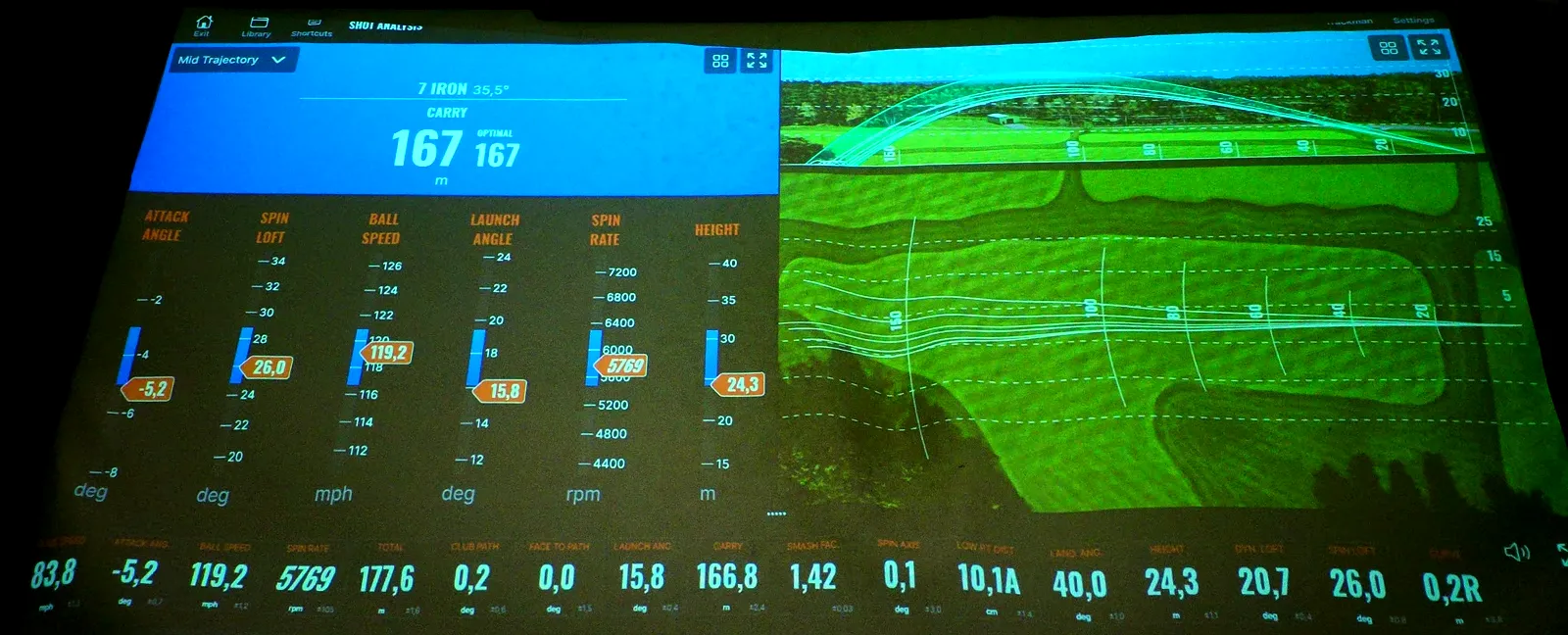
Find the gaps. We measure every club you carry, so you know how far each one actually goes rather than how far you hope it does.
Fitted by Danie Geldenhuys — PGA qualified since 2008, four years as head fitter for TaylorMade, four as fitting manager for Titleist, TrackMan certified.
1.5 hours, full bag
R600Per session
No. The session is paid for on its own and the numbers are yours to keep. If the honest answer is that the clubs in your bag are already right for you, that is the answer you will get.
The clubs you play now, and a golf glove and shoes if you have them. Measuring your current set is how we prove whether anything actually improved.
It is the opposite. A beginner learning on clubs that are the wrong length and lie spends years building a swing that compensates for the equipment.
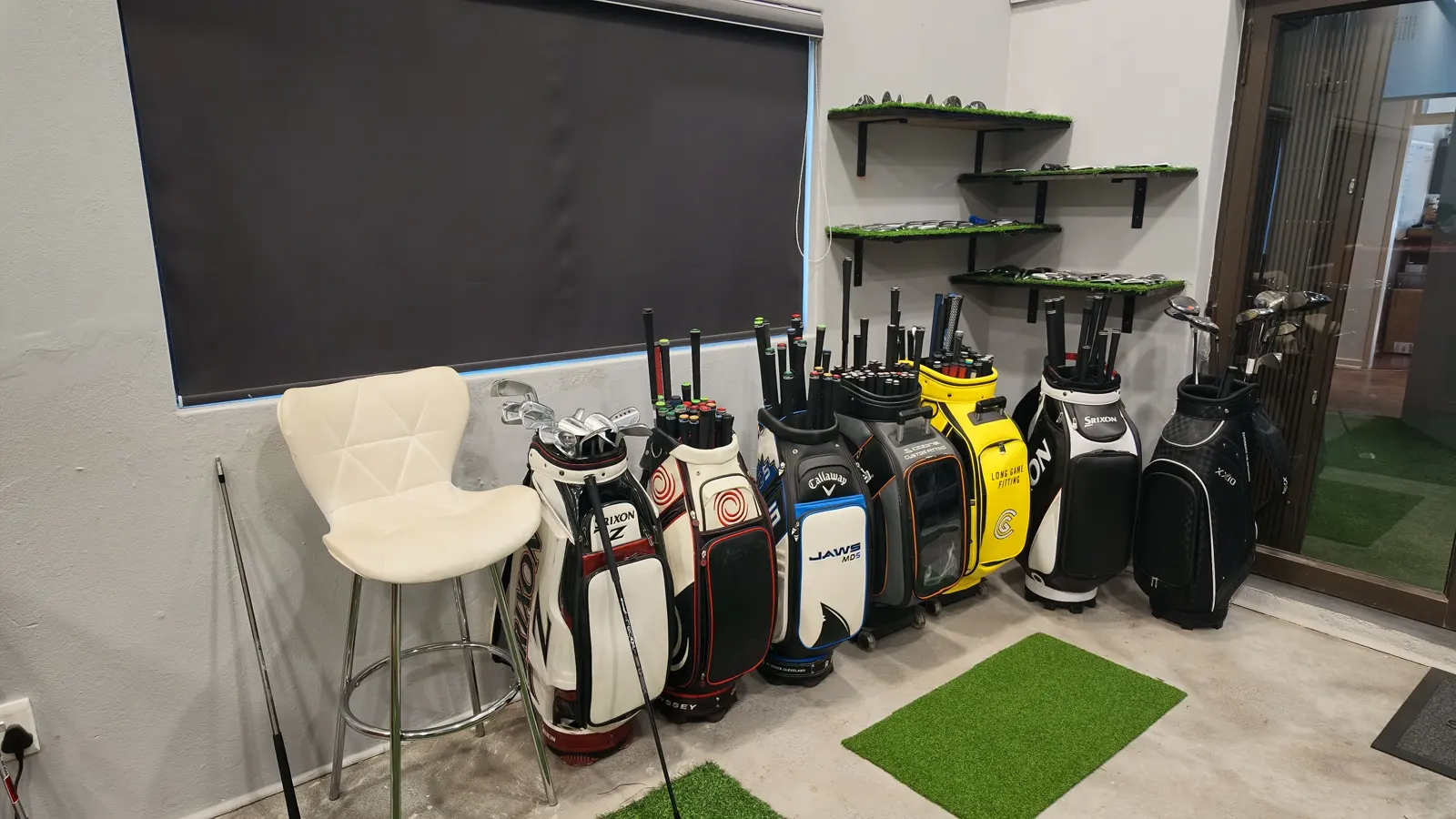
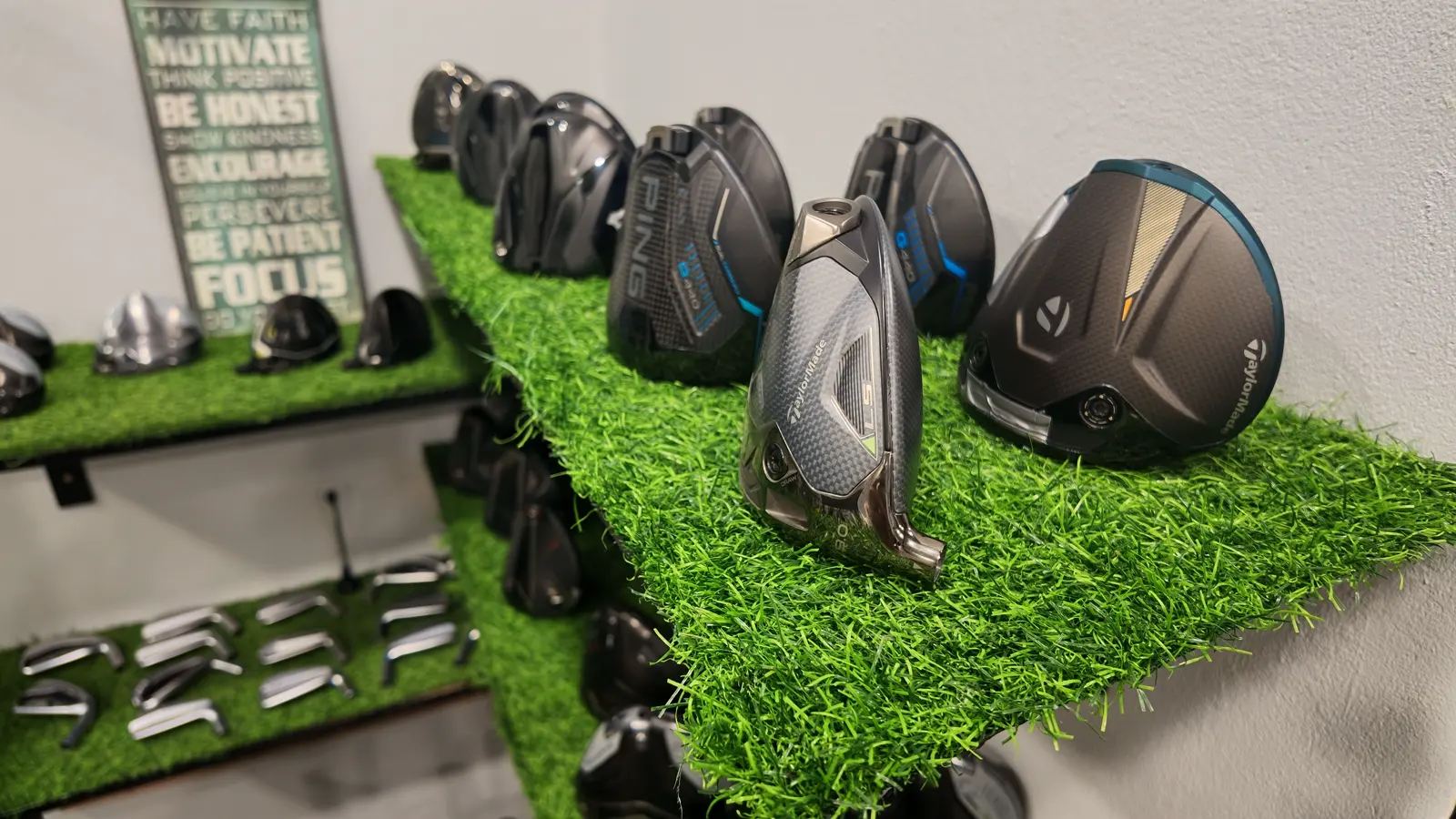
10 of them — Mizuno, Srixon, Cleveland, XXIO, Ping, GG Putters, TaylorMade, Cobra, Titleist, Callaway. The studio is brand-agnostic, so the recommendation follows your numbers rather than a stockroom.
Pick a time in the live diary on the booking page and the slot is yours straight away — the diary is Danie's own, so a time you can see is a time he has. If you would rather talk it through first, message him on 082 776 6750 or email danie@golfconcepts.co.za.
He will tell you which session is worth your money — including when the answer is none of them.